Blog
Levels, skills, and how to improve
Straight coaching writing from Pickleball Skill Levels — no fluff, no miracle drills. What each level really demands, and the practice that actually moves you.
November 3, 2026 · 4 min read
Footwork, Explained: The Shot That Isn't a Shot
Nobody misses a dink because of their hands half as often as they think. Most 'bad shots' started with bad feet. Here's the quiet skill under everything.
Read the post →November 3, 2026 · 4 min read
The Serve, Explained: Free Points Start With a Boring Serve
Underhand, diagonal, has to bounce twice before anyone can volley. The serve sounds simple — the skill is making it deep, every single time.
Read the post →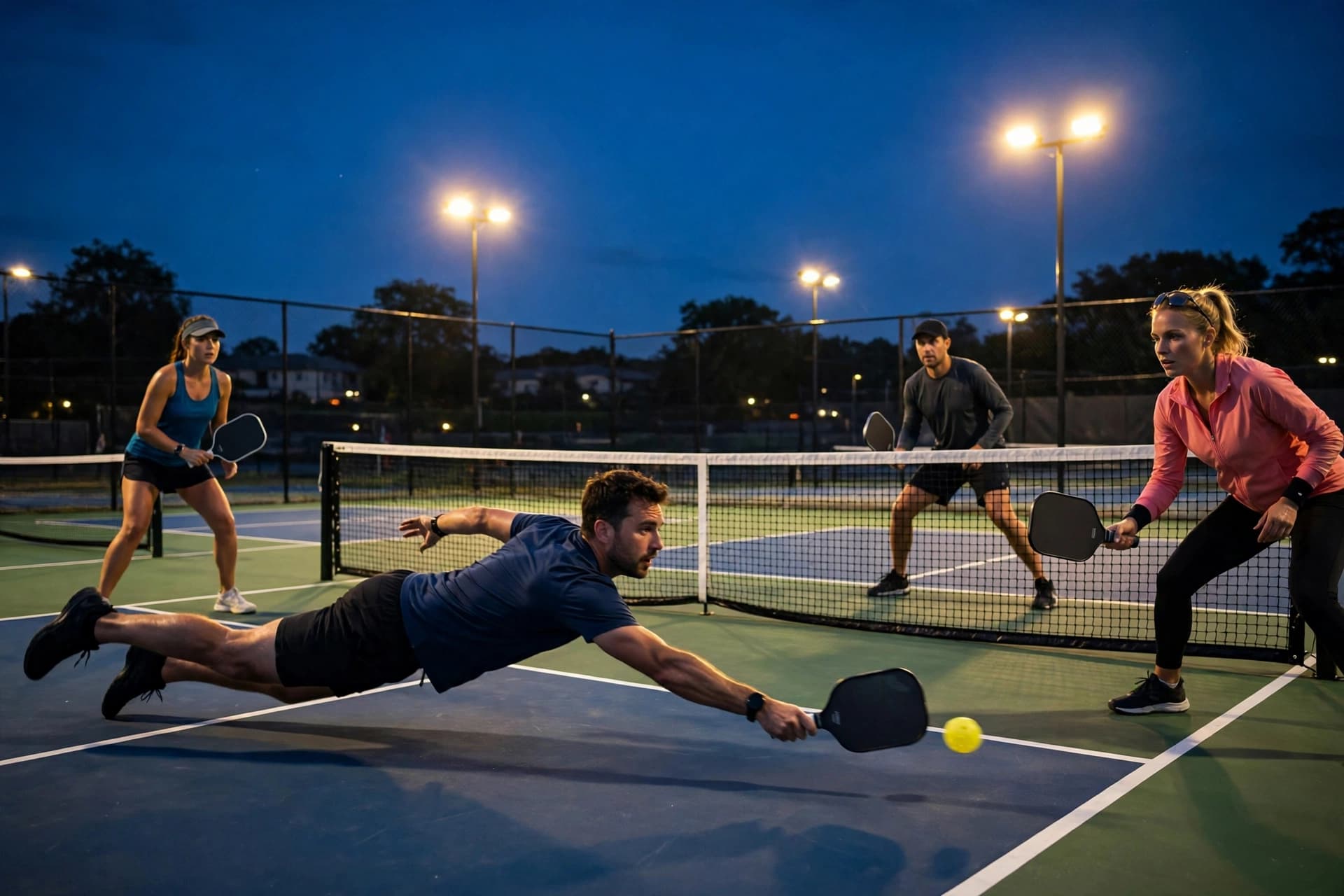
November 3, 2026 · 4 min read
The Return of Serve, Explained: The Easiest Shot to Get Right
The return is the one shot you hit with no pressure at all — and beginners waste it. Deep, down the middle, then run. Here's why it works.
Read the post →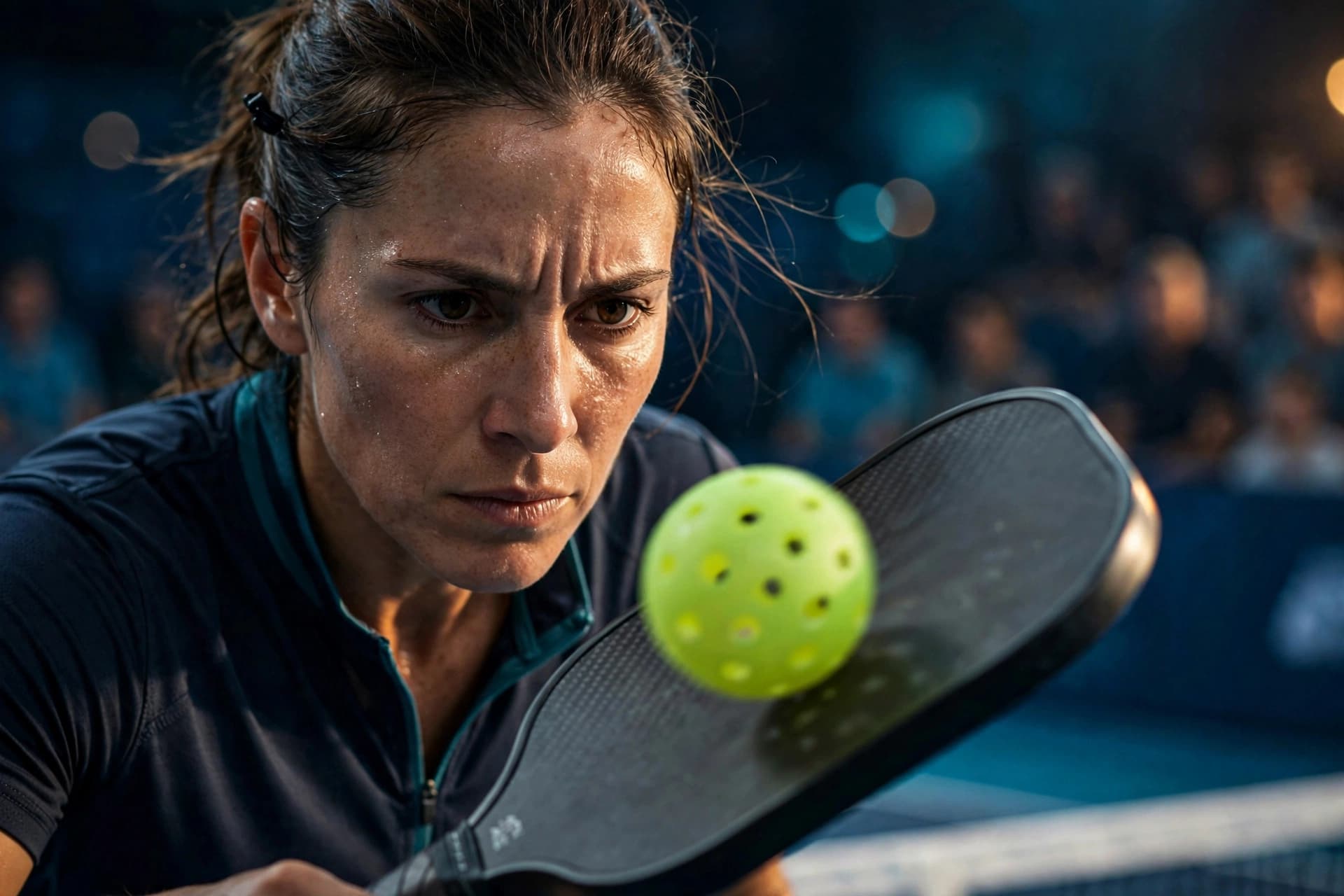
November 3, 2026 · 4 min read
The Reset, Explained: How to Kill an Attack With Soft Hands
They're driving the ball at your shins from mid-court. Swinging back is instinct — and it's wrong. The reset turns their hardest shot into nothing.
Read the post →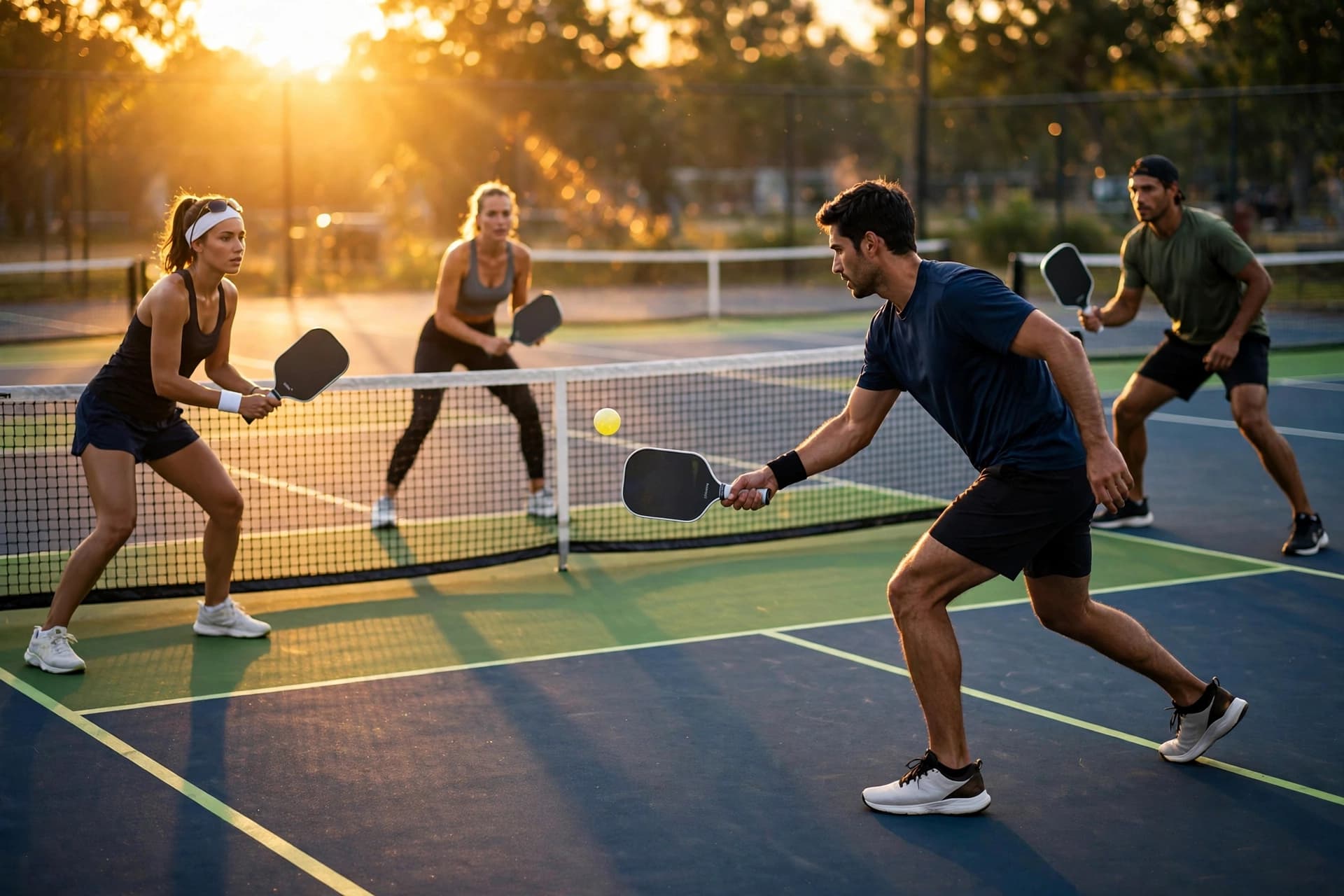
November 3, 2026 · 4 min read
The Third-Shot Drop, Explained: The Shot That Gets You to the Kitchen
Your serve is shot one, their return is shot two — and shot three decides whether you spend the rally attacking or defending. Here's the drop that changes it.
Read the post →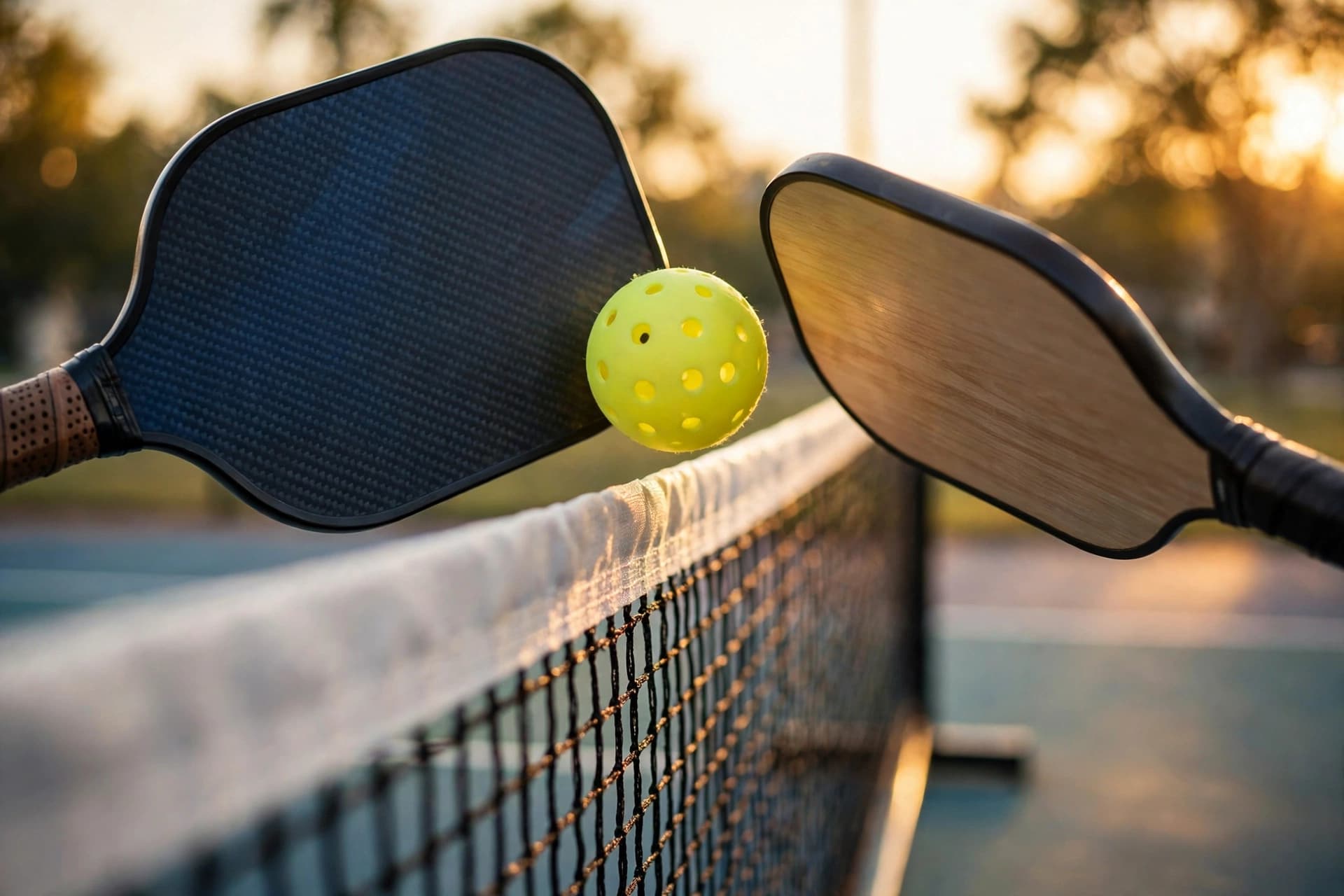
November 3, 2026 · 4 min read
The Dink, Explained: Pickleball's Softest, Smartest Shot
A dink is a soft shot that floats just over the net and lands in the kitchen. It looks like nothing — and it decides more rallies than any drive ever will.
Read the post →November 3, 2026 · 4 min read
How to Read Your Skill Radar (and What to Do About It)
Six axes, one shape. A lopsided radar isn't a verdict — it's a training plan drawn as a picture. Here's how to read yours.
Read the post →November 3, 2026 · 4 min read
Your Weakest Shot Is Your Fastest Level-Up
Opponents have already found the gap in your game — they aim at it every rally. Fixing your worst shot isn't maintenance; it's the shortest path to the next level.
Read the post →November 3, 2026 · 5 min read
From 3.5 to 4.0: Shot Selection Under Pressure
You have the shots. 4.0 is about which shot you choose at full speed — and the patience to wait one more ball than feels natural.
Read the post →November 3, 2026 · 5 min read
From 3.0 to 3.5: Learn the Soft Game
Bangers feast at 3.0. The 3.5 wall is built of drops, resets, and the discipline to slow a fast game down on your terms.
Read the post →November 3, 2026 · 4 min read
From 2.5 to 3.0: The Consistency Jump
The first real level-up isn't a new technique — it's making the shots you already have land, deep and in, almost every time.
Read the post →November 3, 2026 · 5 min read
What Is a Pickleball Rating, Really?
2.5, 3.5, 4.0 — the numbers get thrown around at every open play. Here's what each band actually measures, and why a single number never tells the whole story.
Read the post →